Arctic Tracker / Gallery
Species gallery
40 of 43 species carry a photograph we are entitled to display. Each image is stored on this site rather than fetched from a third party when you load the page, and each carries the photographer's credit and licence exactly as the source recorded them.
Showing all 40 photographed species, and 3 more with no photograph
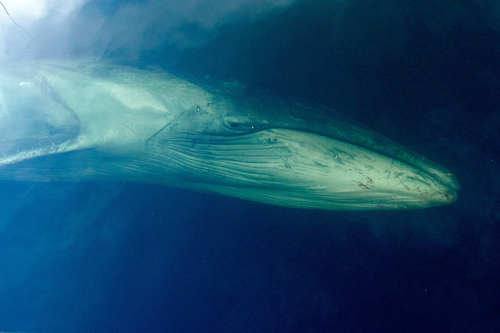
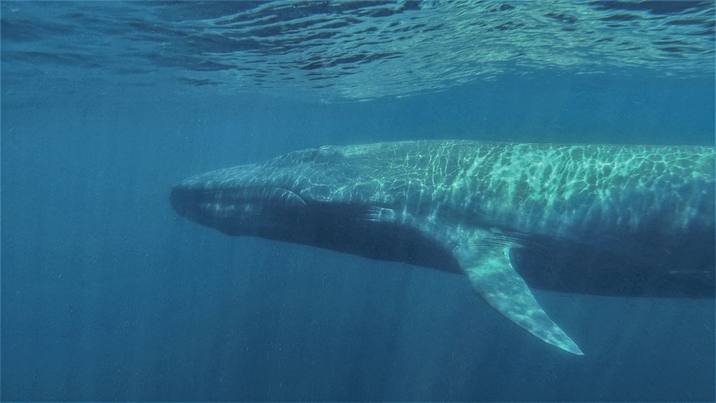
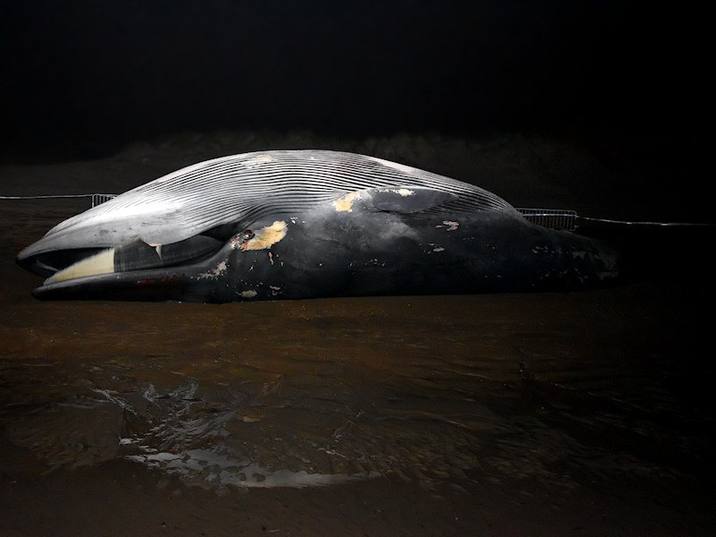
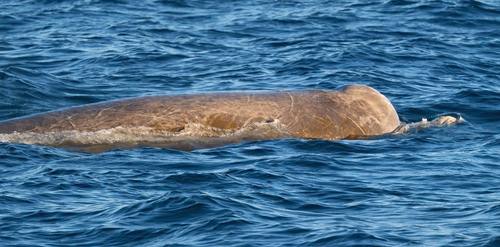
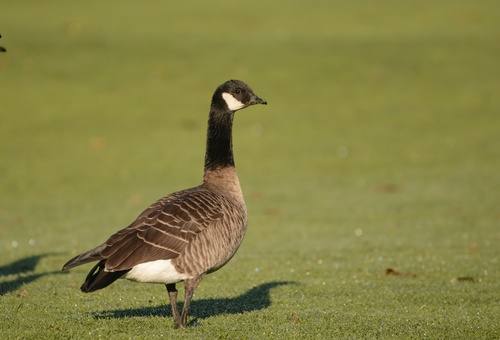
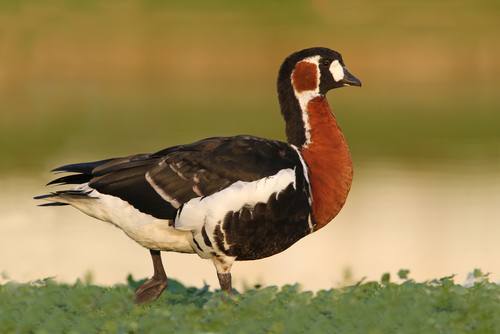
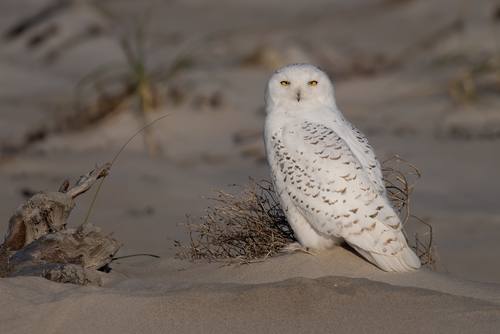
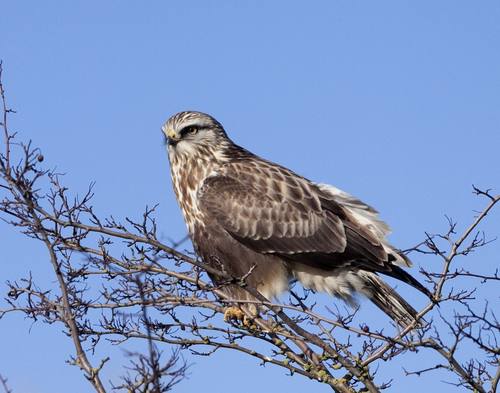
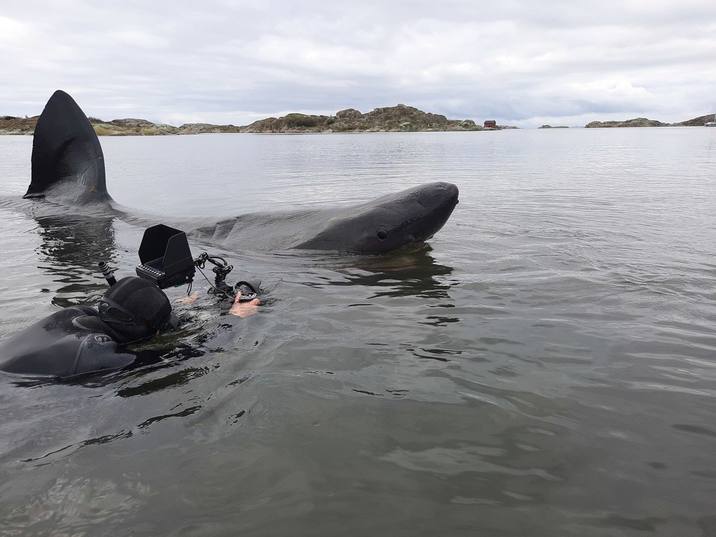
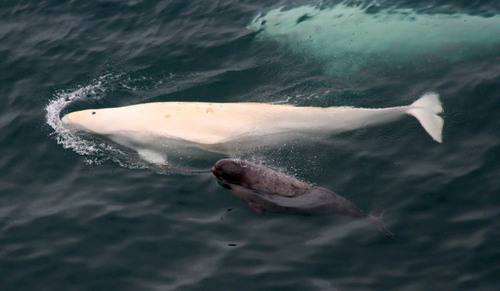
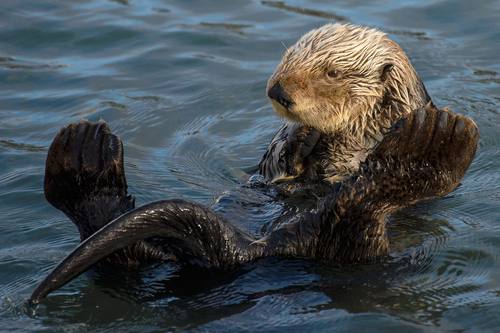
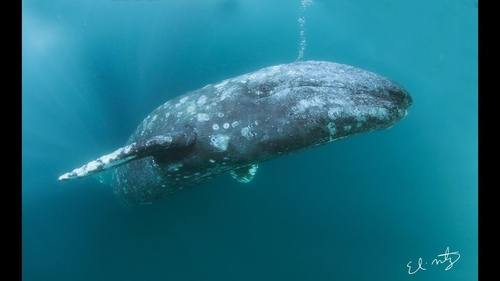
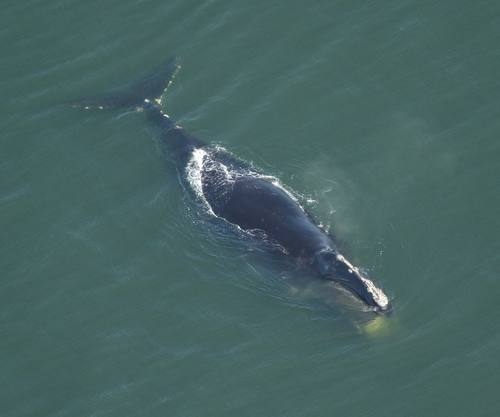
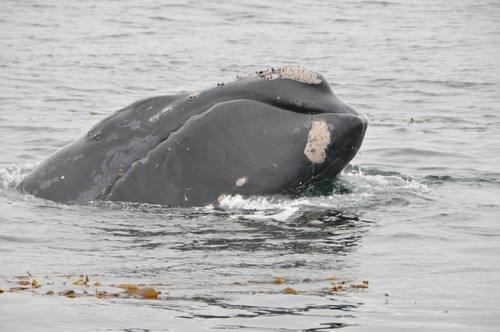
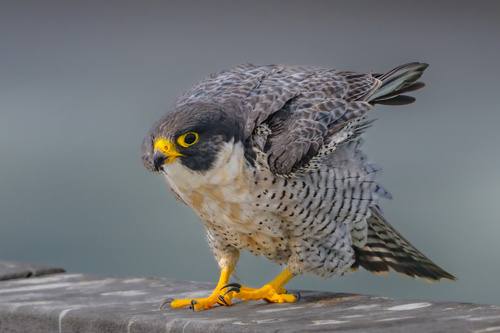
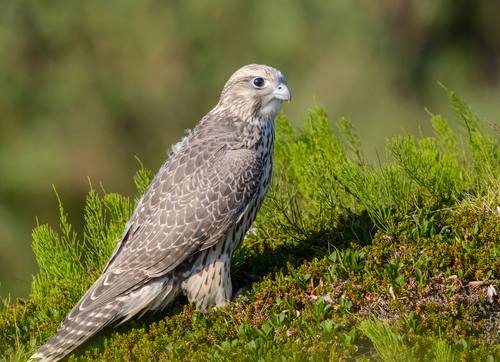
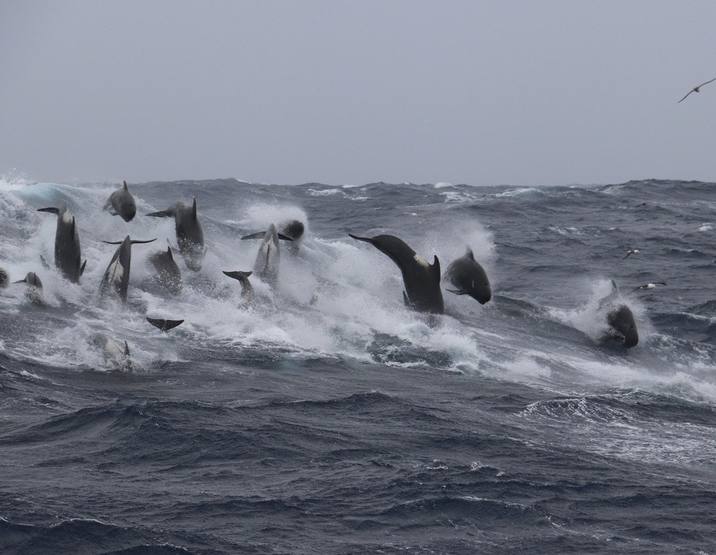
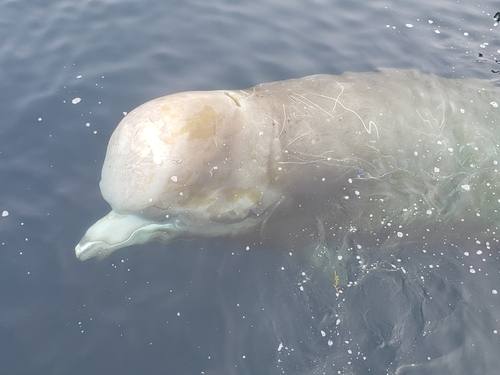
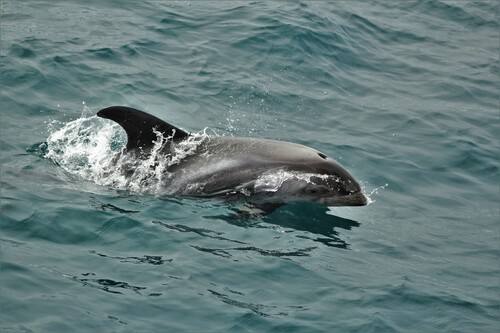
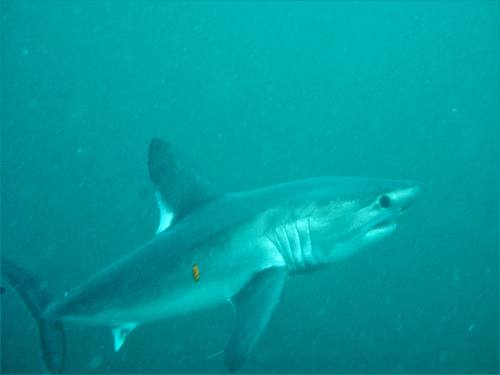
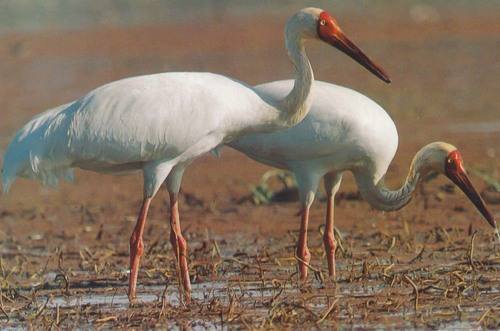
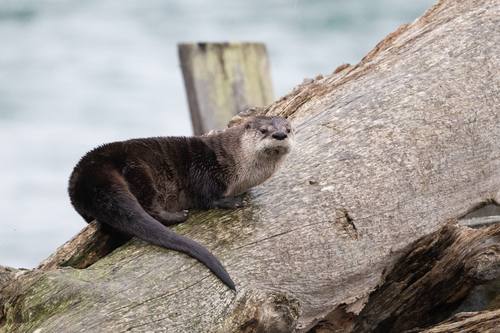
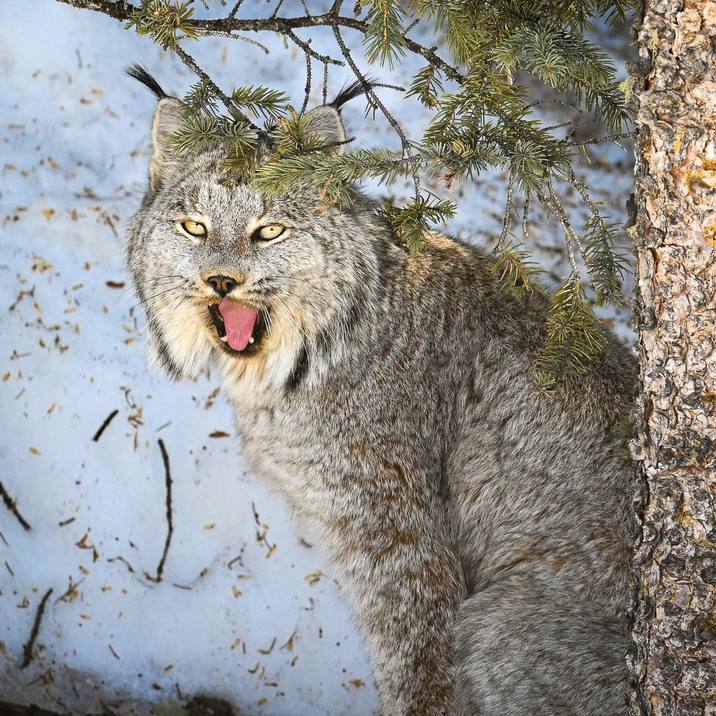
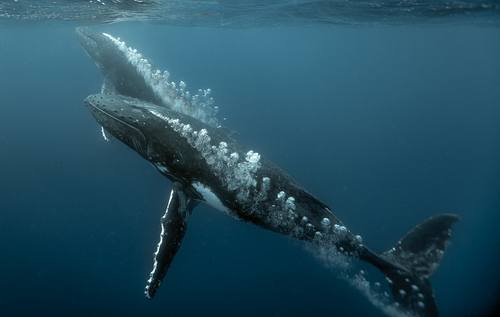
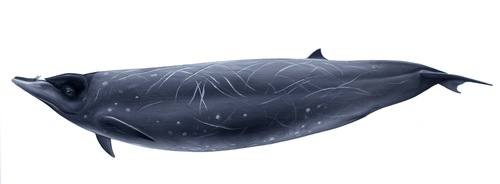
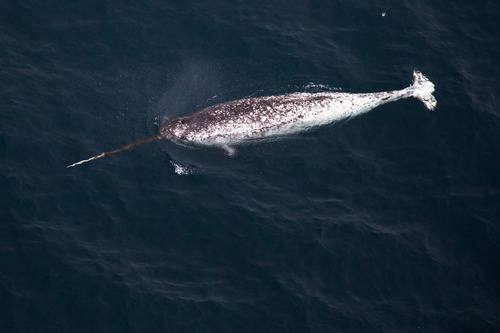
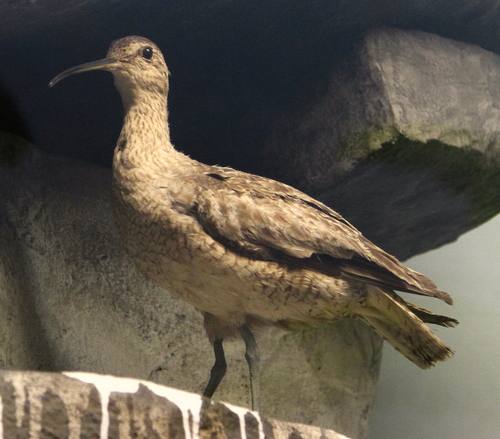
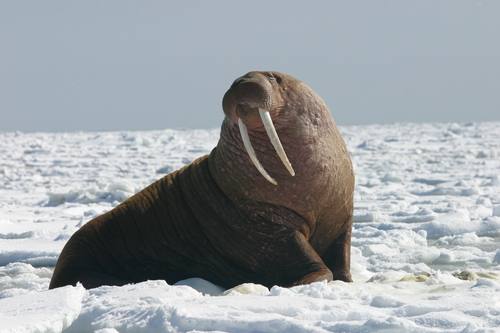
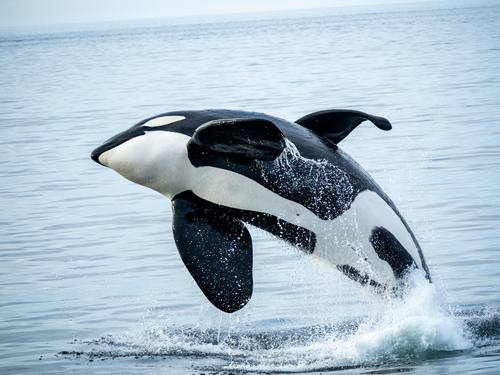
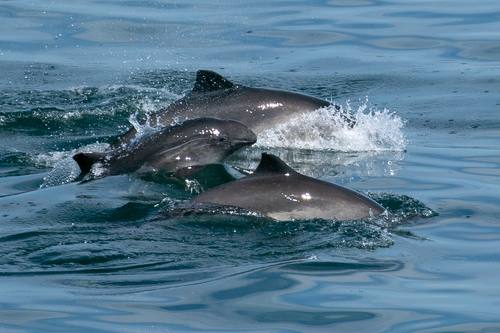
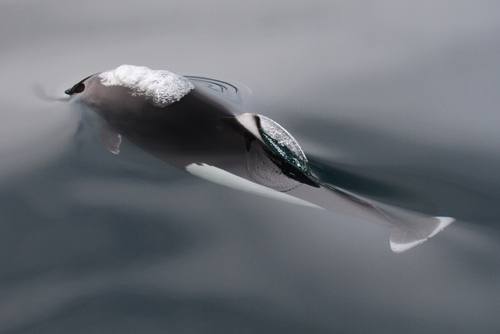
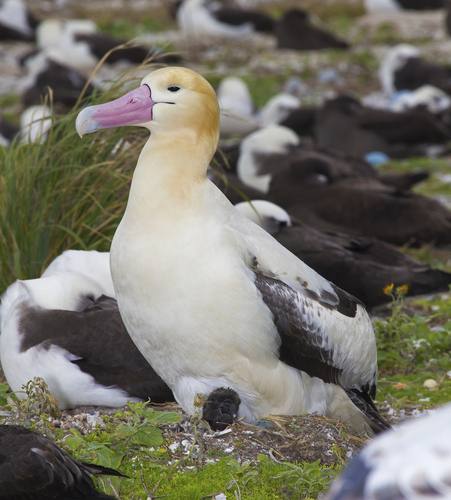
The 3 species withheld, and why
iNaturalist files each of these under a different accepted name than CITES uses: Acipenser baerii is Huso baerii there, Grus canadensis is Antigone canadensis, and Lagenorhynchus acutus is Leucopleurus acutus. Each is a published genus reassignment. A licensed photograph is resolved and stored for all three; the read layer serves a photograph only when the name it was matched on has been confirmed, and no subject expert has confirmed these.
- Acipenser baeriiSiberian sturgeon
- Grus canadensisSandhill Crane
- Lagenorhynchus acutusAtlantic White-sided Dolphin
9 photographs were re-fetched at full resolution and checked against the source
On 2026-10-03 these photographs were each compared with the iNaturalist photograph its own record names, because their stored bytes no longer hash to the digest in the deposit. Each one had been stored as a 75 by 75 thumbnail and was replaced with the same photograph at full size on 2026-09-03, a pass that never wrote the new digest back. The originals were kept and hash to the deposited values, so the record is out of date rather than wrong.
The check is an image comparison and not a digest, because the replacement was re-encoded as JPEG and so cannot equal the source's bytes even when the picture is identical. Each pair has the same pixel dimensions, and the mean absolute difference per colour channel runs from 0.78 to 3.51 out of 255, which is re-encoding noise. A different photograph differs by tens.
The deposited digest is the one record on this site that no longer describes what is served. It stays that way deliberately. The deposit is the manuscript's version of record and its own signing tool refuses to touch the tables, because changing one is a rebuild of the frozen snapshot rather than an addition to it, and a rebuild re-binds every number the paper reports. Correcting nine digests is not worth that, and doing it quietly would be worse than leaving them wrong and saying so. The full record, including the URL fetched for each, is in media/VERIFICATION.json, and scripts/verify_media_against_source.py reproduces it.
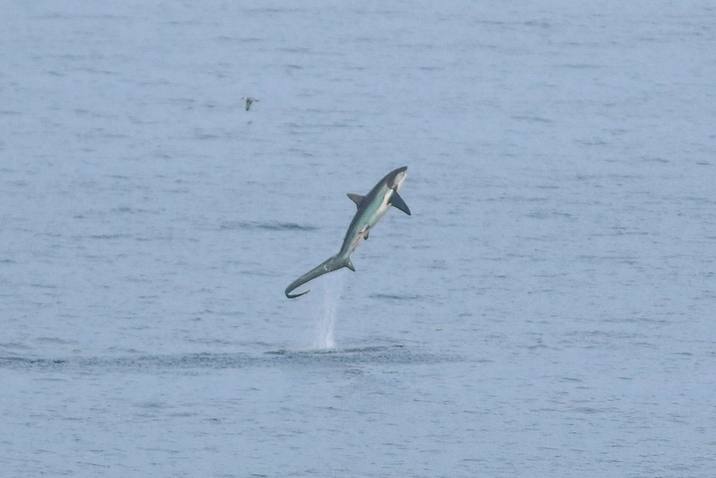
- Alopias vulpinusCommon Thresher Shark iNaturalist photo
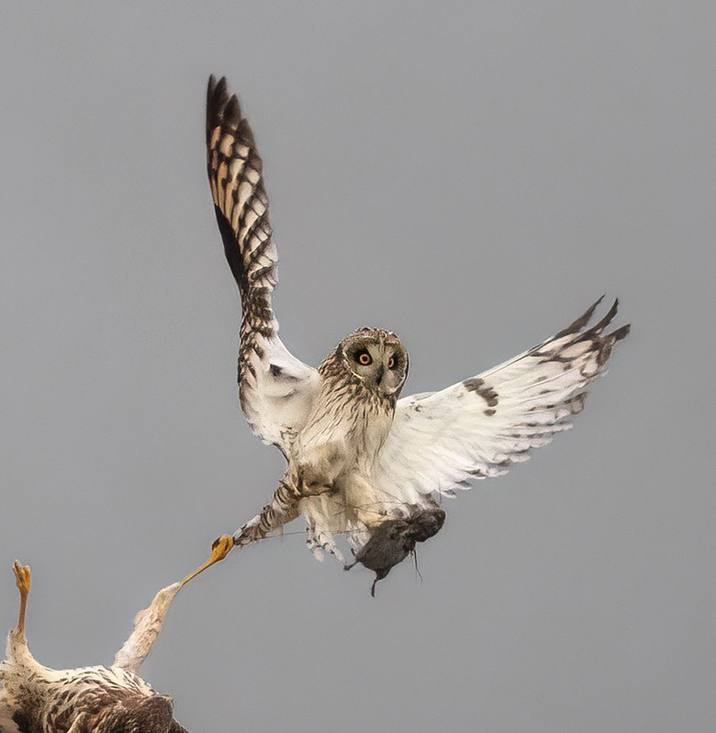
23056144, difference 1.78 of 255; deposited7bfdadf2964f0d9e, served99127ff5c300891d - Asio flammeusShort-eared Owl iNaturalist photo
340017487, difference 2.67 of 255; deposited45a3a0f5400c960c, served476498ebe8113434 - Balaenoptera musculusBlue Whale iNaturalist photo
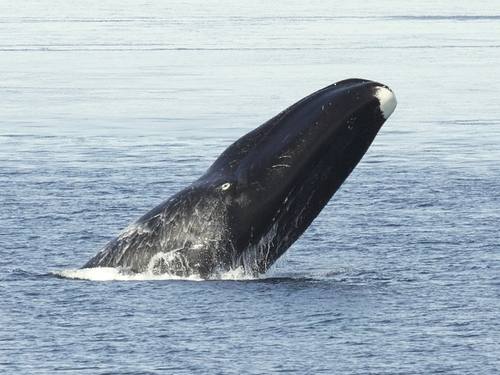
144016335, difference 1.73 of 255; deposited48e2e7de5867c406, servedcd403879139d001c - Balaenoptera physalusFin Whale iNaturalist photo
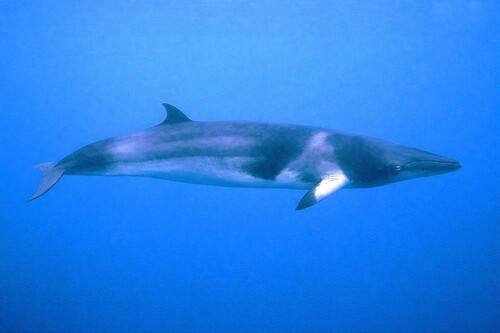
593721666, difference 0.78 of 255; deposited9f6359263bd67891, served09f63af6f3f5e9d2 - Cetorhinus maximusBasking Shark iNaturalist photo
102474853, difference 1.02 of 255; deposited3d617216a8ebf208, served38d9f33b977b77ce - Globicephala melasLong-finned Pilot Whale iNaturalist photo
704912381, difference 1.36 of 255; deposited4e206cffbac0041d, served6a6740c64e156c5d - Lynx canadensisCanada Lynx iNaturalist photo
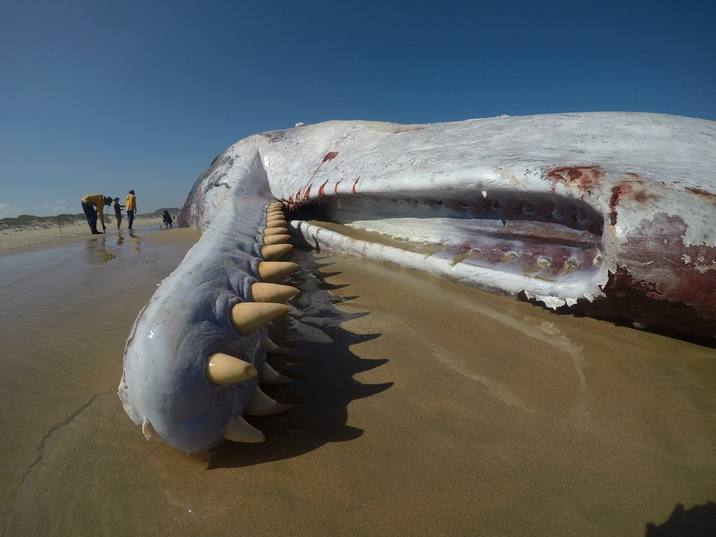
266940724, difference 3.51 of 255; deposited117441311e1dc5c2, served09951122e0081484 - Physeter macrocephalusSperm Whale iNaturalist photo
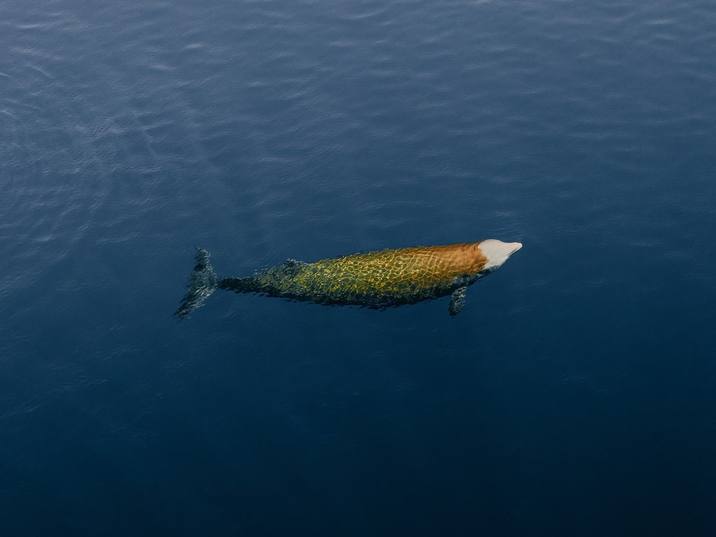
110704338, difference 1.92 of 255; depositedeeb13a77e018aaf8, served041d83a3b0c31625 - Ziphius cavirostrisCuvier's Beaked Whale iNaturalist photo
531435769, difference 1.04 of 255; deposited92098fbf2271cd35, servede42226a73d1a7f56
Provenance
Photographs come from iNaturalist, matched on exact scientific name. For each one we store the taxon matched, the photograph identifier, the licence code, the credit line, the originating URL and a SHA-256 digest of the bytes we saved.
Three kinds of absence are kept apart on this page, and only one of them is a licence. No photograph is currently withheld on licence grounds: the read layer has a gate for it, and every row in the deposited record passes. The species with no card at all have no matched photograph, because iNaturalist files them under another accepted name. The photographs whose bytes no longer match the recorded digest are withheld from this page rather than deleted: the file stays where it was, and a direct request still returns it. Withholding here means we do not present bytes under a credit line we can no longer vouch for, which is where the harm would be; it is not a claim that the file is unreachable.